
Bali First Aid Kit & Medicine Checklist for Travellers (Doctor-Curated, Apotek-Friendly)
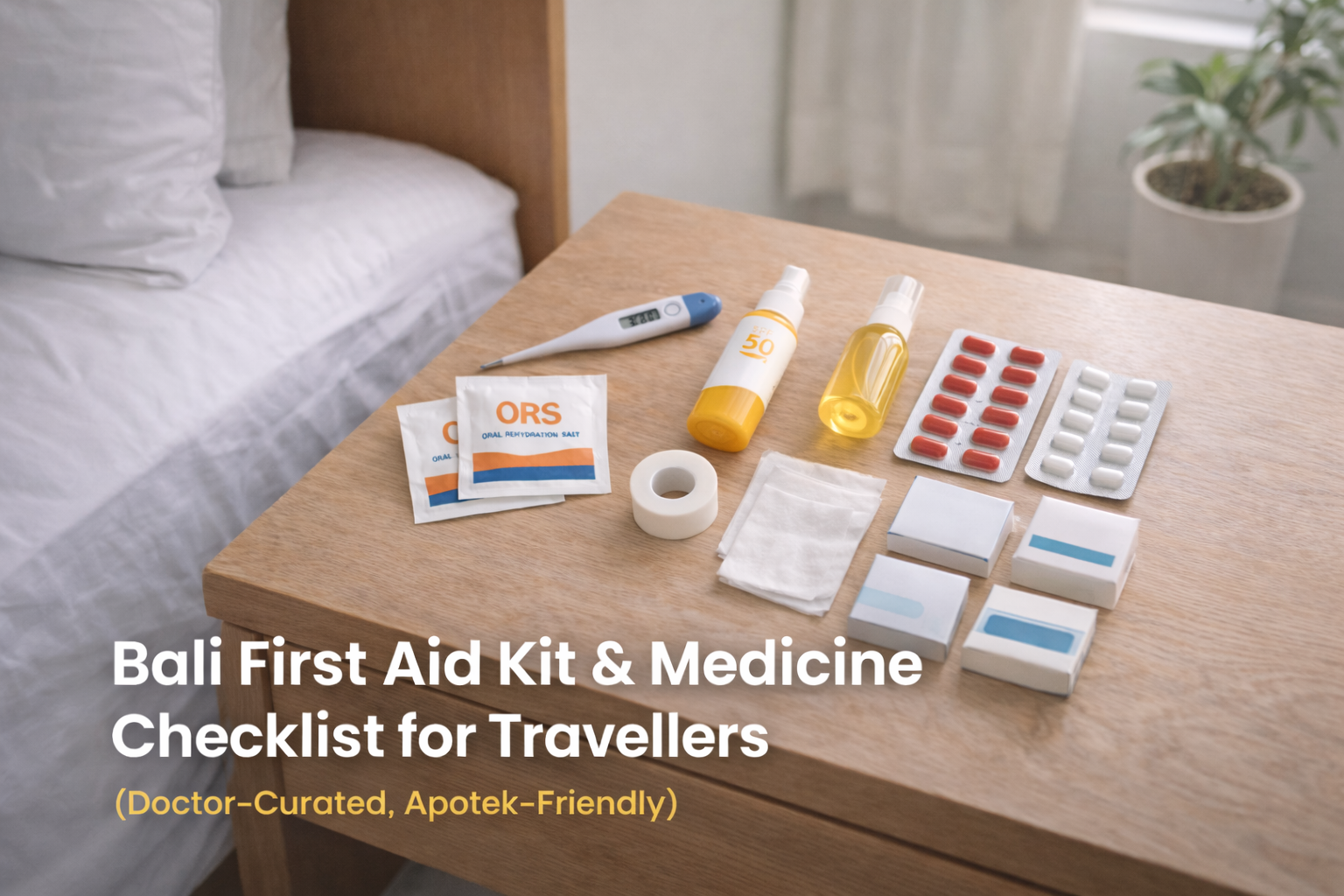
Flying to Bali? Pack smart so a tummy bug or sunburn doesn’t hijack your holiday. This doctor-curated Bali first aid kit doubles as a practical medicine checklist—plus Indonesian brand equivalents so you can find the right meds fast at any apotek (pharmacy).
If you’re already unwell, start here: Bali Belly Treatment or request a Doctor Home Visit For fast triage, Message us on WhatsApp
TL;DR (save this)
Pack ORS, paracetamol, ibuprofen, an antihistamine, an antacid, an anti-diarrhoeal (adults), basic wound care, insect repellent, and SPF 50+.
Carry a digital thermometer and a dosing note for kids (weight-based).
Ask for these common Indonesian equivalents:
Oralit (ORS)
Parasetamol (paracetamol)
Loperamide
Promag / Mylanta (antacid)
Cetirizine / Loratadine (antihistamine)
Antimo (motion sickness)
Betadine (povidone-iodine)
Red flags: high fever, blood in stool, severe dehydration, persistent vomiting → seek medical care urgently.
High-trust references: traveller’s diarrhea guidance and oral rehydration salts (ORS)

The Doctor’s Bali First Aid Kit (carry-on friendly)
Always read the package insert. Avoid medicines you’re allergic to and check pregnancy/breastfeeding guidance. If symptoms are severe or persistent, don’t self-treat—get assessed.
If you want a quick prevention refresher before you fly, see How To Prevent Bali Belly and Bali Belly Tips.
Fever & Pain (Paracetamol / “Parasetamol”)
Adults: 500–1000 mg every 4–6 hours; max 3,000–4,000 mg/day (stay ≤3,000 mg if drinking alcohol or with liver disease).
Kids: 10–15 mg/kg every 4–6 hours; max 60 mg/kg/day.
Brands to ask for: Panadol, Sanmol, “Parasetamol generik”.
See a doctor if fever >38.5°C lasts beyond 48 hours, or if there’s a rash, stiff neck, confusion, breathing difficulty, or severe lethargy.
Anti-Inflammatory Pain (Ibuprofen)
Adults: 200–400 mg every 6–8 hours; max 1,200 mg/day OTC. Take with food.
Kids (≥6 months): 10 mg/kg every 6–8 hours; max 30 mg/kg/day.
Brands: Proris, Nurofen, “Ibuprofen generik”.
Avoid with gastric ulcers, kidney disease, dehydration, or late pregnancy.
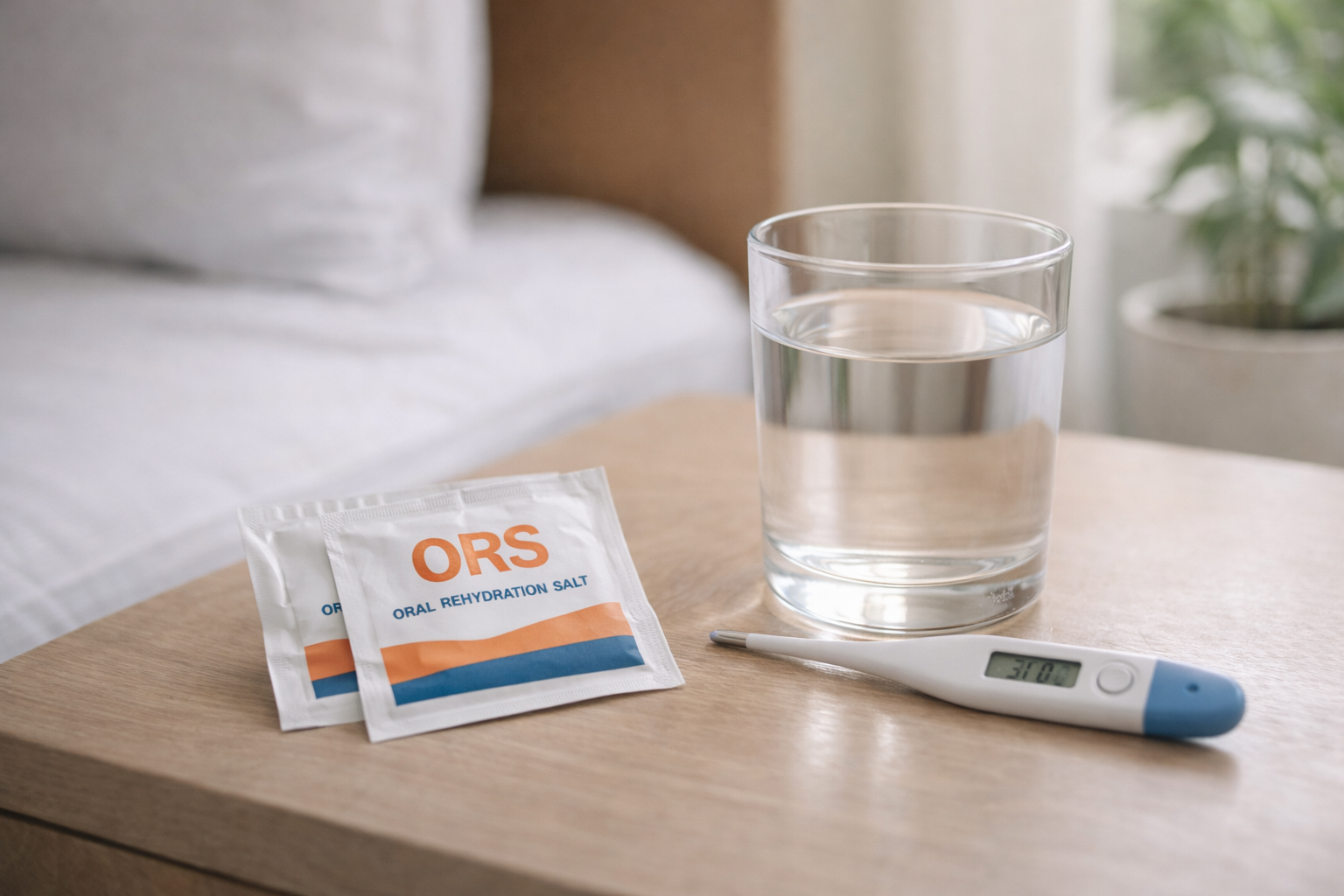
Rehydration (ORS / “Oralit”)
Adults: 200–250 mL after each loose stool; sip often if nauseated.
Kids: 10 mL/kg after each loose stool (small, frequent sips).
Brands: Oralit, pharmacy ORS.
Tip: Sports drinks are not a substitute for ORS.
If you’re struggling to keep fluids down or feel faint, consider medical assessment—IV fluids may be appropriate. Learn more here: IV Drip For Bali Belly
Diarrhoea Control for Adults (Loperamide)
Dose (adults): 4 mg first dose, then 2 mg after each loose stool; max 8 mg/day without medical advice.
Not recommended for children under 12 unless a clinician advises.
Brands: Lodia (Kalbe), Imodium, “Loperamide generik”.
Do not use if there’s fever or blood in stool—get assessed.
Reference: traveller’s diarrhea guidance
Adsorbents for Mild Diarrhoea (Activated Charcoal / Attapulgite)
Follow label directions.
Brands: Norit (charcoal), Entrostop (attapulgite).
Symptomatic only—ORS remains the priority.
Nausea & Motion Sickness (Dimenhydrinate)
Adults: 50 mg 30–60 minutes before travel, then every 4–6 hours as per label.
Kids: follow label; a common ballpark is ~1 mg/kg/dose (use product guidance).
Brands: Antimo, Antimo Anak.
Sedating—avoid driving. Persistent vomiting needs medical review.
Allergies & Bites (Cetirizine or Loratadine)
Adults: Cetirizine 10 mg once daily OR Loratadine 10 mg once daily.
Kids:
Cetirizine 2.5–5 mg (2–5 yrs), 10 mg (≥6 yrs)
Loratadine 5 mg (2–5 yrs), 10 mg (≥6 yrs)
Brands: Incidal-OD (cetirizine), Clarityne or “Loratadine generik”.
If there’s throat swelling, wheeze, facial swelling, or faintness, seek emergency care.
Heartburn / Acid Relief (Antacid ± PPI)
Antacid: per label.
Omeprazole: 20 mg daily for a short course if needed.
Brands: Promag, Mylanta, Polysilane, “Omeprazole generik”.
Severe pain, black stools, or persistent vomiting → doctor.
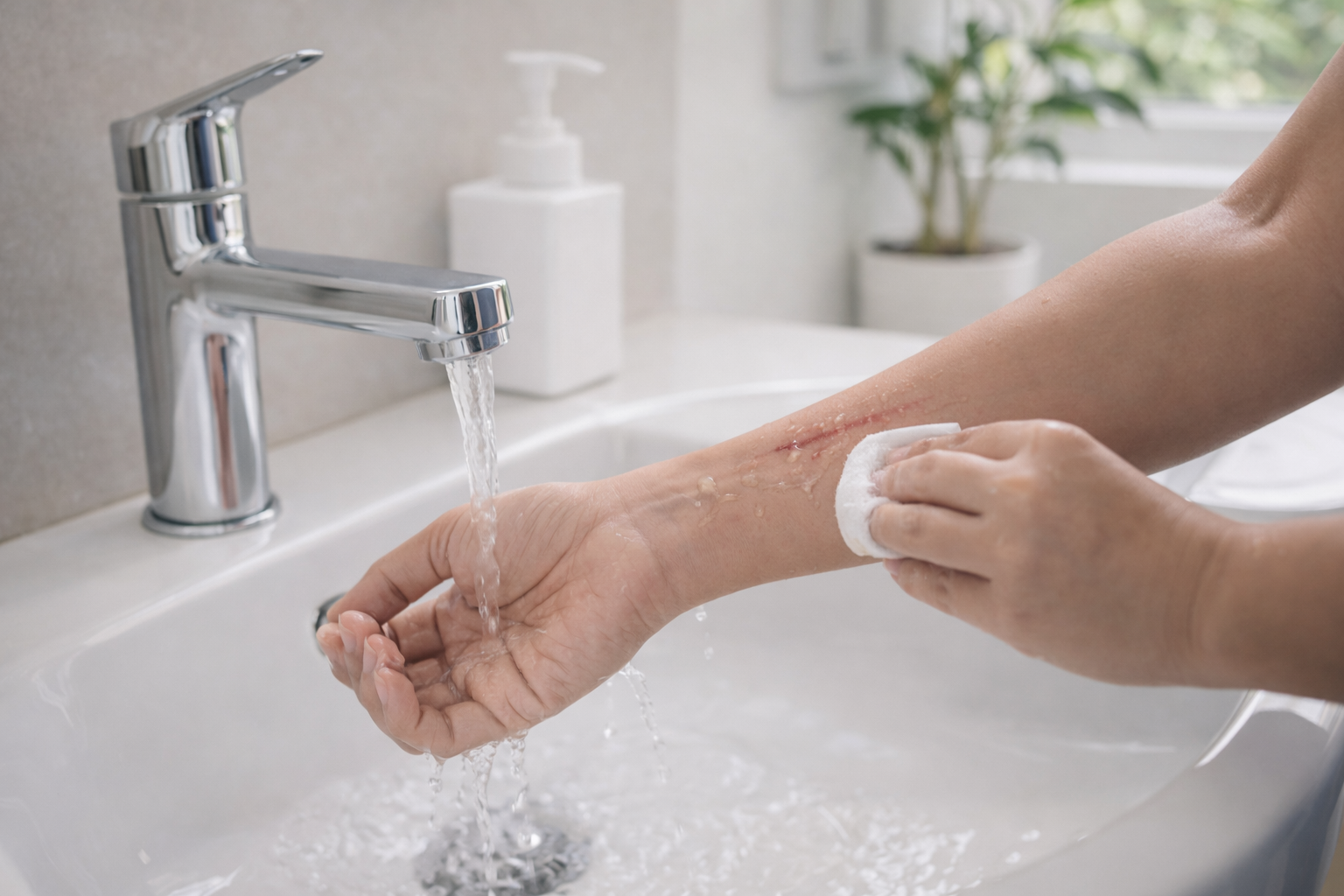
Skin & Wound Care
Clean with water, then apply povidone-iodine (Betadine) thinly.
For itchy rashes, use hydrocortisone 1% cream 1–2×/day for 3–5 days.
Brands: Betadine, “Hydrocortisone 1% generik”, Caladine (calamine mix).
Large, deep, or dirty wounds need clinical care. Any animal bite needs urgent medical review (rabies risk).
Reference: rabies post-exposure prophylaxis (PEP)
Probiotics (Optional)
Examples: Interlac (L. reuteri), Lacto-B.
Use as an adjunct, not a replacement for ORS.
Zinc for Kids’ Diarrhoea
Dose: 10–20 mg daily for 10–14 days depending on age.
Brand: Zinkid.
Also pack
Digital thermometer
Blister plasters, sterile gauze and tape
Tweezers, small scissors, alcohol pads
Hand sanitiser
SPF 50+ sunscreen
Insect repellent: DEET 20–30% or picaridin ~20% (Soffell, OFF!, Autan)
Resealable zip bags for meds and documents
Personal prescriptions in original boxes with your name
Quick “Bali medicine checklist” (screenshot this)
ORS / Oralit: 6–8 sachets minimum
Paracetamol + Ibuprofen
Loperamide (adults) and/or Norit/Entrostop
Cetirizine or Loratadine
Antacid (Promag/Mylanta) ± Omeprazole
Antimo (motion sickness)
Betadine + Hydrocortisone 1% + plasters/gauze
Insect repellent (DEET/picaridin) + SPF 50+
Digital thermometer
Personal prescriptions (original boxes)
Pocket dosing cards (save to phone)
Adults
Paracetamol: 500–1000 mg every 4–6 hours; max 3,000–4,000 mg/day.
Ibuprofen: 200–400 mg every 6–8 hours; max 1,200 mg/day OTC.
Loperamide: 4 mg first dose, then 2 mg after each loose stool; max 8 mg/day without doctor advice.
ORS: 200–250 mL after each loose stool (more if thirsty).
Dimenhydrinate: 50 mg 30–60 minutes before travel, then as per label.
Kids (weight-based guide)
Paracetamol: 10–15 mg/kg every 4–6 hours; max 60 mg/kg/day.
Ibuprofen (≥6 months): 10 mg/kg every 6–8 hours; max 30 mg/kg/day.
ORS: 10 mL/kg after each loose stool (small, frequent sips if vomiting).
Avoid loperamide under 12 years unless a clinician advises.
Tip: write your child’s current weight on the card before you fly.
How to ask at the pharmacy (Apotek)
“Oralit untuk diare.” (Oralit for diarrhoea.)
“Parasetamol tablet/sirup untuk demam.” (Paracetamol for fever.)
“Loperamide untuk mencret tanpa demam/darah.” (Loperamide for non-bloody diarrhoea without fever.)
“Antimo untuk mabuk perjalanan.” (Antimo for motion sickness.)
“Promag/Mylanta untuk maag.” (Antacid for heartburn.)
“Betadine dan plester.” (Betadine and plasters.)
What not to self-pack or self-start
Antibiotics “just in case” (wrong antibiotics can worsen some infections and complicate documentation).
Strong anti-vomit meds for kids without advice.
Codeine-containing painkillers (import restrictions vary).
If you think you need these, get assessed and documented properly.
When to see a doctor urgently
Fever ≥38.5°C, blood or mucus in stool, severe stomach pain
Persistent vomiting or inability to keep fluids down
Signs of dehydration: very thirsty, dark/infrequent urine, lethargy, dizziness
Diarrhoea lasting beyond 48–72 hours
Frail/elderly travellers, pregnant travellers, or unwell children under 2 years
Any animal bite (possible rabies exposure)
For step-by-step Bali Belly help, start with Bali Belly Treatment
Need help right now? We do house-calls
Bali Belly Doctor — villa/hotel house-calls, 8 AM to 11 PM, 7 days
Message us on WhatsApp
Phone: (+62) 0813 2605 2230
Address: Jl Sunset Road No.27 (within Revive Medical building)
You can also check common questions (including insurance) here: FAQs, read real experiences on Patient Feedback , or contact us directly via Contact
Disclaimer
This guide is general information only, not personal medical advice. Always follow product labels and consult a healthcare professional—especially for children, pregnancy, chronic illness, or if symptoms are severe or persistent.