
Dengue Fever in Bali: Early Symptoms, Warning Signs, Testing & When to Seek Help
At Bali Belly Doctor, we’ve treated many tourists and expats who thought they had simple food poisoning or heat exhaustion—only to discover it was actually dengue fever. Dengue is a mosquito-borne illness seen across tropical regions like Bali. Most cases recover with supportive care, but if severe dengue develops, it can become dangerous.
This guide covers what to look for, when to get tested, red flags that need urgent care, and how to reduce your risk while travelling.
For fast triage, Message us on WhatsApp
If you prefer a doctor to come to your accommodation, see Doctor Home Visit
TL;DR (save this)
Dengue often starts like a flu: high fever, severe headache (often behind the eyes), intense body aches, nausea/vomiting, and fatigue.
A rash can appear after a few days.
Do not use ibuprofen or aspirin if dengue is suspected (bleeding risk).
Watch for red flags: bleeding, severe abdominal pain, persistent vomiting, fainting, breathing difficulty, black stools.
If you feel very unwell, get assessed early—especially children, pregnant travellers, older adults, or anyone with chronic illness.
reference: WHO dengue fact sheet
What is dengue fever?
Dengue fever is caused by a virus spread through the bite of an infected Aedes mosquito. These mosquitoes often bite during the day, particularly around early morning and late afternoon.
Dengue is not passed from person to person like a cold or flu. It only takes one infected mosquito bite to transmit the virus.
External reference (unique): CDC dengue overview for travellers
Early symptoms of dengue fever
Early dengue symptoms can be subtle. Many travellers initially think they’re simply run-down, overheated, or getting a flu-like illness.
Common early symptoms include:
High fever (often 39°C or higher)
Severe headache (often behind the eyes)
Muscle and joint pain (“breakbone” aches)
Nausea or vomiting
Fatigue and weakness
Skin rash (often appears after a few days)
If you have a fever in Bali and you’re unsure whether it’s dengue, gastro, or something else, start with clinical assessment. Gastro symptoms can overlap—see Bali Belly Treatment if you also have diarrhoea/vomiting.
When dengue becomes serious (warning signs)
Dengue can become dangerous if it progresses to severe dengue (sometimes called dengue haemorrhagic fever). Seek urgent medical attention if you develop any of the following:
Bleeding gums or nose
Vomiting blood, or black/tarry stools
Severe abdominal pain
Persistent vomiting (can’t keep fluids down)
Difficulty breathing
Dizziness, fainting, or extreme weakness
Signs of shock (very low blood pressure, cold clammy skin)
High-trust reference: WHO warning signs for severe dengue
When is hospitalisation necessary?
Many dengue cases can be managed at home with close monitoring—however, hospital-level care may be necessary if:
Platelet levels drop significantly or there are signs of bleeding
You can’t keep fluids down due to vomiting
There are signs of “plasma leakage”/severe dehydration or worsening weakness
You’re in a higher-risk group (children, older adults, pregnant travellers, immunocompromised)
Symptoms worsen despite supportive treatment
If our clinicians identify risk factors during assessment, we’ll coordinate referral promptly.
How dengue is diagnosed
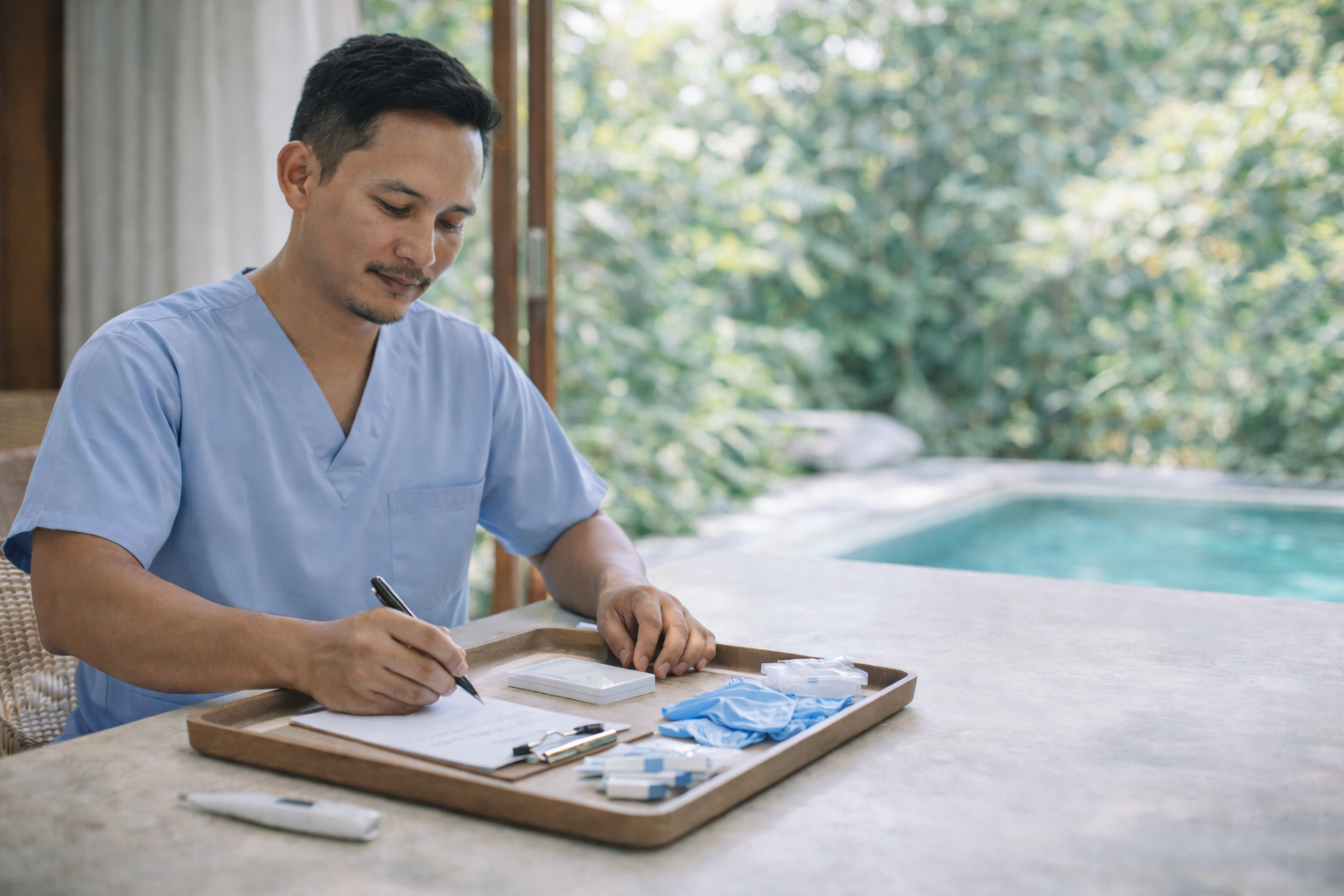
Dengue can be diagnosed using rapid tests and/or lab testing depending on symptom timing and clinical context. The most important step is early assessment—especially if fever is high and persistent.
For convenience, you can request assessment via Doctor Home Visit so you don’t need to travel while unwell.
Treatment options (supportive care)
There is no antiviral “cure” for dengue, so treatment focuses on supportive care and careful monitoring. Depending on symptoms, care may include:
Hydration support (oral fluids; IV fluids when clinically indicated)
Fever management with paracetamol
Monitoring for warning signs and repeat checks if needed
Follow-up advice and escalation if symptoms worsen
Important safety note: Avoid aspirin and ibuprofen if dengue is suspected due to bleeding risk.
If you’re unwell at your accommodation, start here: Doctor Home Visit
How to prevent dengue in Bali
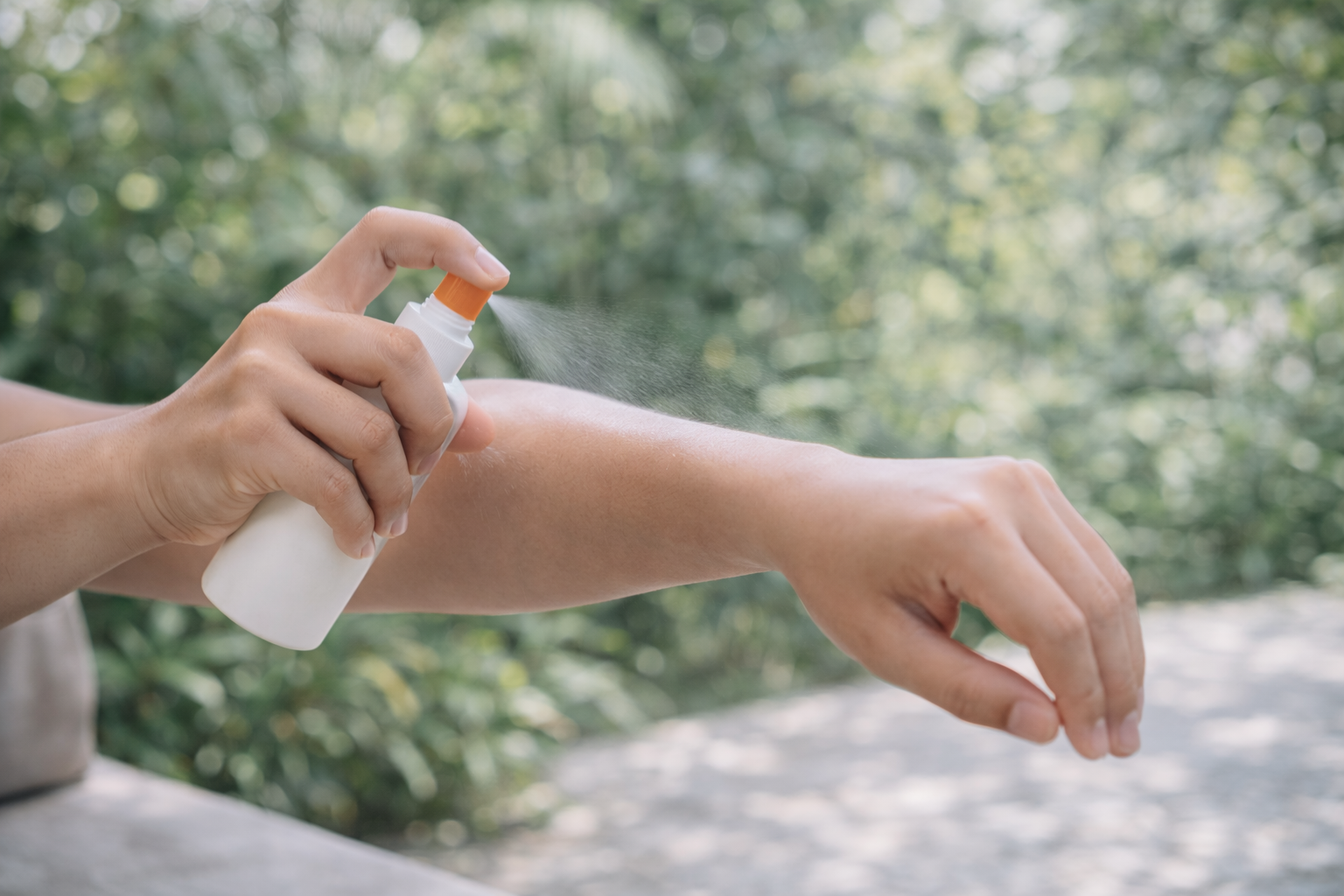
The best prevention is avoiding mosquito bites:
Use repellent with DEET or picaridin
Wear lightweight long sleeves (especially early morning/late afternoon)
Use air conditioning where possible
Use screens/nets if needed
Reduce standing water around villas where mosquitoes breed
Bite-prevention guidance: CDC avoid bug bites
Need medical help while in Bali?
We understand how stressful it is to get sick while travelling. Bali Belly Doctor offers clinical assessment and guidance, with the option for care at your accommodation.
Fastest: Message us on WhatsApp
Home visits: Doctor Home Visit
Clinic directions:Get directions on Google Maps
More info: FAQs
See reviews: Patient Feedback
Final thoughts
Dengue doesn’t have to ruin your holiday—early assessment, smart hydration, and watching for warning signs make a big difference. If you’re worried about a high fever or feel unwell in Bali, reach out early so you can get the right care at the right time.