
What Health Risks Should Travellers Actually Worry About in Bali?
Planning a Bali holiday can come with a long list of health worries. People hear about dengue, Bali Belly, monkey bites, dehydration, heat exhaustion, and all sorts of tropical problems before they even land.
The reality is usually much more straightforward: most travellers have a great trip, but there are a few health issues that are genuinely worth taking seriously. In real life, the problems most likely to disrupt a Bali holiday are usually stomach illness, dehydration, mosquito-borne illness such as dengue, animal bites, and road accidents. Health authorities like the CDC specifically advise travellers to pay attention to food and water safety, avoid bug bites, be cautious around animals, and take road safety seriously when travelling.
At Bali Belly Doctor, the goal is simple: give travellers clear, practical advice so they know what matters, what is less likely, and when it makes sense to get medical help.
Bali Belly and stomach illness are still the biggest travel-health issue
If there is one health problem travellers should realistically think about before coming to Bali, it is Bali Belly.
Traveller’s diarrhea is one of the most common travel-related illnesses worldwide, and the CDC recommends being careful with food and water safety and understanding traveler’s diarrhea before a trip.
That does not mean everyone gets sick. But compared with some of the more dramatic fears people focus on online, stomach illness is far more likely to be the thing that derails a holiday.
Simple habits can help reduce the risk:
choose food that is cooked fresh and served hot
be cautious with raw foods
wash your hands regularly or use hand sanitiser
drink safe water
be careful with ice and drinks from uncertain sources
For most travellers, this is the health risk that deserves the most practical attention.
Dehydration is one of the most underestimated problems in Bali
Hot weather, humidity, alcohol, long days outdoors, vomiting, and diarrhea can all leave travellers feeling unwell surprisingly quickly. That is why dehydration often goes hand in hand with stomach illness.
Many people think they just have a mild stomach bug, but after a day or two of poor fluid intake, heat, and repeated bathroom trips, they may also be significantly dehydrated. That can leave them weak, dizzy, fatigued, or unable to enjoy the rest of their trip.
A few basic habits make a difference:
drink fluids regularly
increase fluids if you have vomiting or diarrhea
take breaks from the heat
be cautious with alcohol when already run down
seek help early if symptoms are worsening
If symptoms are not settling or you are struggling to recover, arranging a doctor callout in Bali can be a practical option, especially when leaving your hotel or villa feels like the last thing you want to do.

Dengue is real, but panic is not helpful
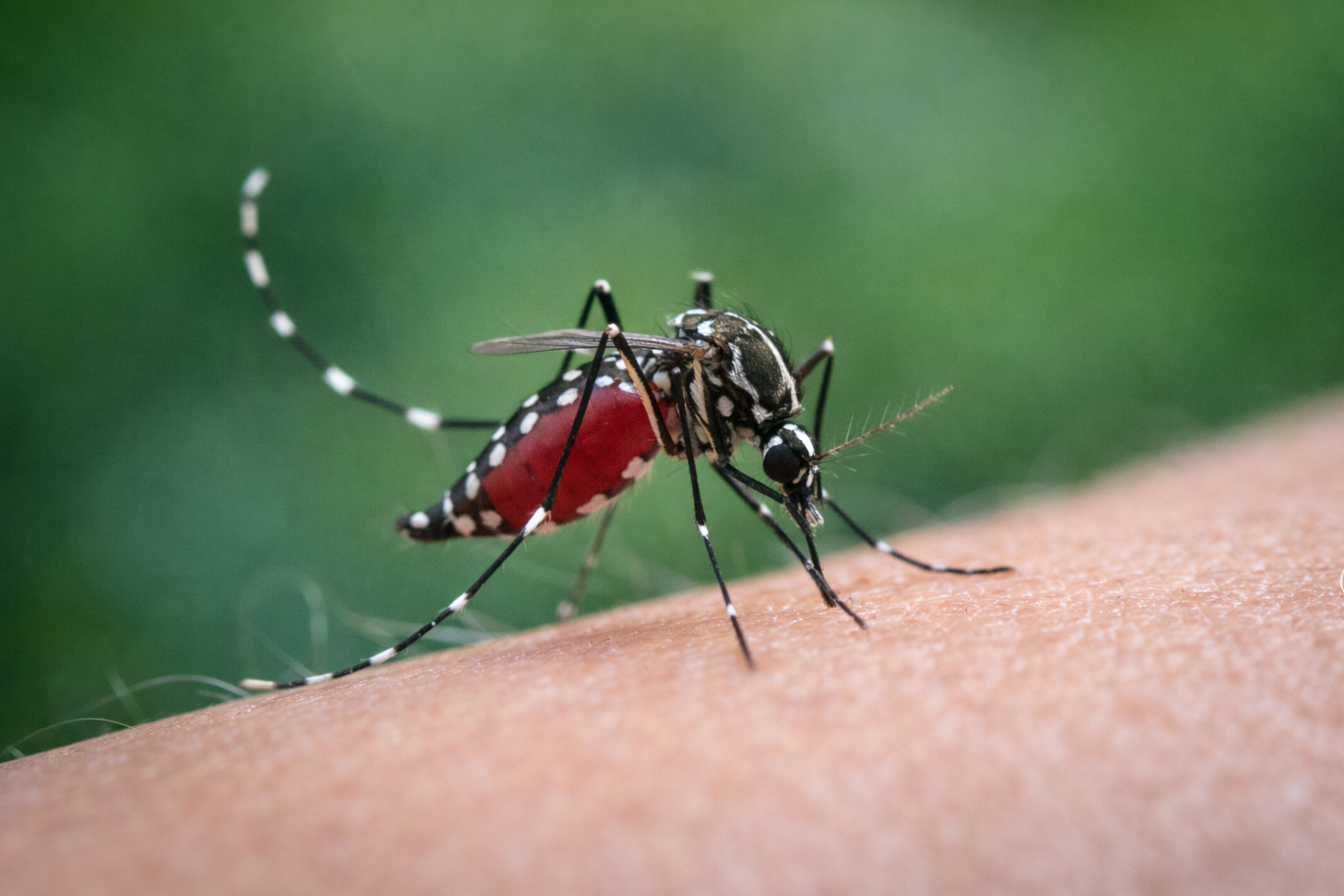
Dengue fever is a real risk in Bali and across tropical destinations, and the CDC’s Indonesia traveller guidance advises visitors to avoid mosquito bites.
That said, dengue should be kept in perspective. The practical response is not fear — it is prevention.
The basics matter:
use insect repellent
wear longer clothing when practical
choose accommodation with screens or air conditioning where possible
do not ignore fever or body aches if you have been getting bitten by mosquitoes
The CDC also advises travellers to avoid bug bites, which is a useful habit not just for dengue prevention, but for travel health in general.
For most visitors, dengue is something to respect, not obsess over.
Animal bites are more important than many travellers realise
Many travellers think more about insects than animals, but bites and scratches from monkeys or dogs are another genuine health issue worth taking seriously.
The CDC recommends travellers avoid animals and avoid touching or feeding unfamiliar animals while abroad because bites, scratches, and saliva exposure can all create medical concerns.
In Bali, monkey bites are especially relevant around popular tourist areas where visitors get too close while taking photos. Dog bites can also happen when travellers assume street dogs are harmless or friendly.
The best approach is simple:
do not feed monkeys
do not try to touch them
keep children away from unpredictable animals
get medical advice after any bite or scratch
These issues may not be as common as stomach illness, but they are still worth taking seriously when they happen.

Scooter accidents are one of the fastest ways to ruin a Bali holiday
Not every serious travel-health problem in Bali is an illness. Road accidents, especially on scooters, are one of the biggest real-world risks travellers face.
The CDC’s road safety guidance for travellers highlights road traffic injuries as an important travel risk and advises travellers to use helmets, avoid riding under the influence, and be cautious on unfamiliar roads.
A few sensible points matter:
wear a proper helmet
do not ride if you are tired or inexperienced
never ride after drinking
be extra cautious in wet weather
do not assume Bali roads are easy if you are not used to them
This is one of the clearest examples of a risk that is often more important than the unusual tropical fears people spend time worrying about.
What about less common worries like tomcat beetles?
Tomcat beetles and other unusual tropical concerns do get talked about online, but for most travellers they are not among the main risks likely to affect a holiday.
That does not mean they never happen. It just means they sit much lower on the list than:
Bali Belly
dehydration
dengue
animal bites
scooter accidents
It is much more useful to focus on the health problems travellers are actually more likely to face.
What travellers should prioritise before coming to Bali
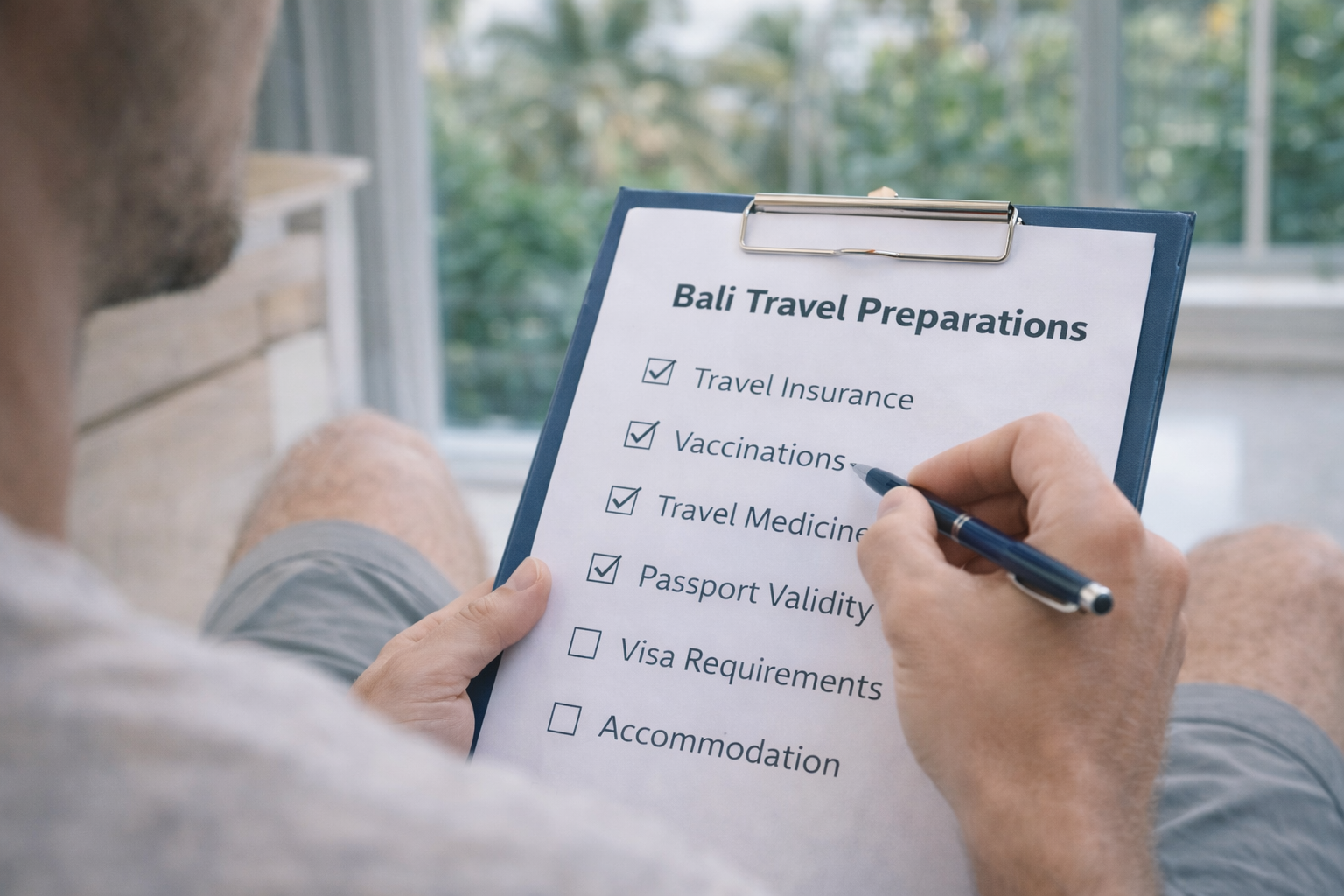
If you want to be practical rather than paranoid, the main things worth focusing on are:
food and water hygiene
mosquito protection
staying hydrated
being cautious around animals
taking road safety seriously
knowing how to get help quickly if you do become unwell
That last point matters more than many people realise. A manageable illness can feel far more stressful when you are overseas, unsure what to do, and trying to work out whether you should wait it out or get assessed.
If you are already sick and want support without sitting around trying to organise transport, medical care from your hotel or villa can make things much easier.
When should a traveller get medical help in Bali?
It is sensible to seek medical assessment if you have:
ongoing vomiting or diarrhea
signs of dehydration
fever
worsening abdominal pain
blood in stool
weakness or dizziness
an animal bite or scratch
symptoms that are not improving
Getting advice early can make a big difference, especially when you are away from home and unsure how serious something is.
If you need fast support for a common traveller illness, contact Bali Belly Doctor for medical advice and treatment in Bali.
Final thoughts
So, what health risks should travellers actually worry about in Bali?
The most realistic answer is: worry less about the unusual horror stories, and pay more attention to the things that genuinely affect travellers most often — Bali Belly, dehydration, dengue, animal bites, and scooter accidents.
Most trips to Bali go very well. But a bit of preparation, a bit of common sense, and knowing when to get help can make a big difference if something does go wrong.